Score Matching
Chapter 17: Score Function and Energy-Based Models — Classical Score Matching (Hyvärinen)
From the book
Chapter 17: Score Function and Energy-Based Models — Classical Score Matching (Hyvärinen). The passage below is adapted from the manuscript discussion of Score Matching. Look in § Classical Score Matching (Hyvärinen) and the surrounding mind-map node "Classical Score Matching (Hyvärinen)" when reading the print/PDF edition.
Chapter 17 introduces classical score matching as a way to learn the score function without computing the partition function. Instead of fitting p(x), one matches the model score s_θ(x) to the true score using objectives derived from the Fisher divergence. The mind-map node Fisher Divergence Minimization (icon fisher_divergence) sits beside this topic and explains the statistical distance being minimized. The chapter then moves to denoising score matching (DSM), which corrupts samples with noise and learns scores of perturbed densities—an idea that scales to high-dimensional data and foreshadows modern diffusion training.
What this drawing shows
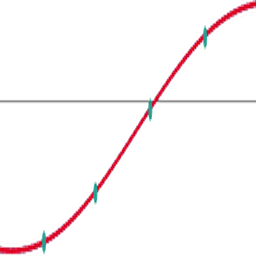
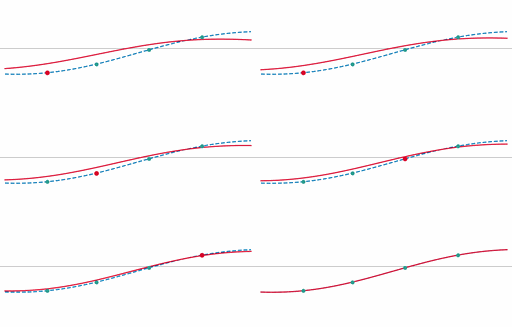
What you see. Shows the model score $s_\theta$ (red) gradually matching the true score $\nabla\log p$ (blue dashed) around observed samples.
In the mind map. Chapter 17 — Classical Score Matching (Hyvärinen). See From the book above for definitions, figures, and worked examples.
Where to read next
Read the full definitions, figures, and worked examples in Chapter 17: Score Function and Energy-Based Models — see the mind-map node Classical Score Matching (Hyvärinen).